
Film photography did not disappear overnight. It slowly gave way to digital cameras, smartphones, and instant sharing. For decades, film was the heart of photography. Every image required careful thought because each frame cost money, time, and effort. Photographers learned exposure, composition, timing, and darkroom skills through practice and patience.
When digital photography improved in the early 2000s, everything changed. People could instantly review images, store thousands of photos on memory cards, and edit pictures on computers without film or chemicals. Camera stores, processing labs, 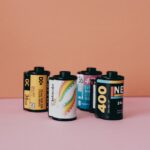 and darkrooms began closing as demand dropped. The entire film industry depended on millions of rolls being processed every day, and once that volume disappeared, the system became too expensive to maintain.
Yet film never completely died. Many photographers still value its texture, slower pace, and hands-on process. Young artists continue discovering film because it feels intentional and authentic in a world flooded with disposable digital images. Today, film photography survives as both an artistic craft and a reminder that photography once required patience, discipline, and careful observation of light and life.