
Diafine

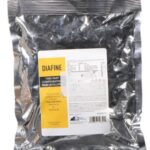
Diafine was a popular two-bath black-and-white film developer used in darkroom photography. It allowed photographers to develop many different films with less concern about exact time or temperature control.

Its biggest advantage was simplicity and flexibility. Film soaked first in Solution A, then in Solution B, where development actually occurred. Diafine was known for:
  • Consistent results
  • Good shadow detail
  • Increased effective film speed
  • Long chemical life
  • Easy processing for mixed film types

Many photographers used it for street photography, journalism, and low-light work because it could help films perform well at higher ISO settings.
What happened to film.


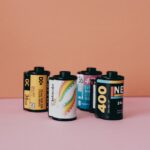
Film photography did not disappear overnight. It slowly gave way to digital cameras, smartphones, and instant sharing. For decades, film was the heart of photography. Every image required careful thought because each frame cost money, time, and effort. Photographers learned exposure, composition, timing, and darkroom skills through practice and patience.

When digital photography improved in the early 2000s, everything changed. People could instantly review images, store thousands of photos on memory cards, and edit pictures on computers without film or chemicals. Camera stores, processing labs, and darkrooms began closing as demand dropped. The entire film industry depended on millions of rolls being processed every day, and once that volume disappeared, the system became too expensive to maintain.
Yet film never completely died. Many photographers still value its texture, slower pace, and hands-on process. Young artists continue discovering film because it feels intentional and authentic in a world flooded with disposable digital images. Today, film photography survives as both an artistic craft and a reminder that photography once required patience, discipline, and careful observation of light and life.

What happend to Kodachrome

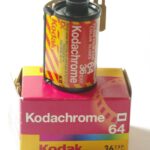
Kodachrome was once the king of color photography. Introduced by Eastman Kodak Company in 1935, it became famous for rich colors, sharp detail, and long-lasting images. National Geographic photographers and generations of families used it for vacations, magazines, and slideshows.

Its downfall came from changing technology and economics. Kodachrome used a very complex developing process called K-14 that required specialized labs and chemicals. As digital photography exploded in the late 1990s and 2000s, fewer people shot film, and Kodak could no longer justify maintaining the expensive processing system.

Photographers also shifted toward easier slide films like Fujifilm Velvia and eventually to digital cameras. Kodak stopped making Kodachrome in 2009. The last roll was processed in 2010 at Dwayne’s Photo in Kansas, ending a 75-year era. Many old Kodachrome slides still look remarkably good today because the film was unusually stable and fade-resistant.