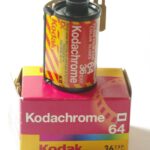
Photography has always balanced two worlds: art and science. The debate between film and digital photography highlights that balance in different ways.
Film photography encourages patience and intention. With a limited number of exposures, photographers often slow down, carefully consider composition, lighting, and timing before pressing the shutter. Film also produces a unique character through grain, color rendition, and tonal transitions that many artists find expressive. However, film requires processing, takes more time, and can be expensive.
Digital photography emphasizes flexibility and efficiency. Images can be reviewed instantly, settings adjusted on the spot, and thousands of photographs stored on a single memory card. Modern sensors offer excellent image quality, impressive low-light performance, and powerful editing possibilities. While some believe digital images can feel overly perfect, thoughtful editing can create virtually any artistic style.
The artistic side of photography involves creativity, storytelling, composition, emotion, and the photographer’s vision. Science provides the tools that make those artistic choices possible. Understanding exposure, optics, sensor technology, color, and light allows photographers to consistently produce the images they imagine.
Ultimately, neither film nor digital is inherently better. Film rewards discipline and a deliberate approach, while digital encourages experimentation and rapid learning. Likewise, art and science are not competing forces but complementary partners. The strongest photographs are created when technical knowledge supports creative expression, allowing the photographer’s vision to become reality.
What do you think please jump in.

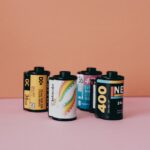 and darkrooms began closing as demand dropped. The entire film industry depended on millions of rolls being processed every day, and once that volume disappeared, the system became too expensive to maintain.