
What Made Kodachrome Special

Kodachrome stood apart from every other color film ever made. Introduced in 1935 by Eastman Kodak, it was a color reversal film, meaning it produced positive images—slides—rather than negatives. These slides could be projected directly, creating bright, luminous images that seemed to glow from within. What truly set Kodachrome apart was its color rendering. Reds were deep and vibrant, blues were rich without being overpowering, and skin tones looked natural and lifelike.

Unlike later films, Kodachrome did not have color dyes built into the emulsion. Instead, the dyes were added during development through a complex chemical process. This resulted in extremely fine grain and exceptional sharpness. Photographers loved it for its clarity and its ability to hold detail, even in challenging lighting conditions. It became the go-to film for professionals, including National Geographic photographers, who relied on its consistency and archival stability. Properly stored Kodachrome slides can still look stunning today, decades after they were shot, a testament to its unmatched longevity.
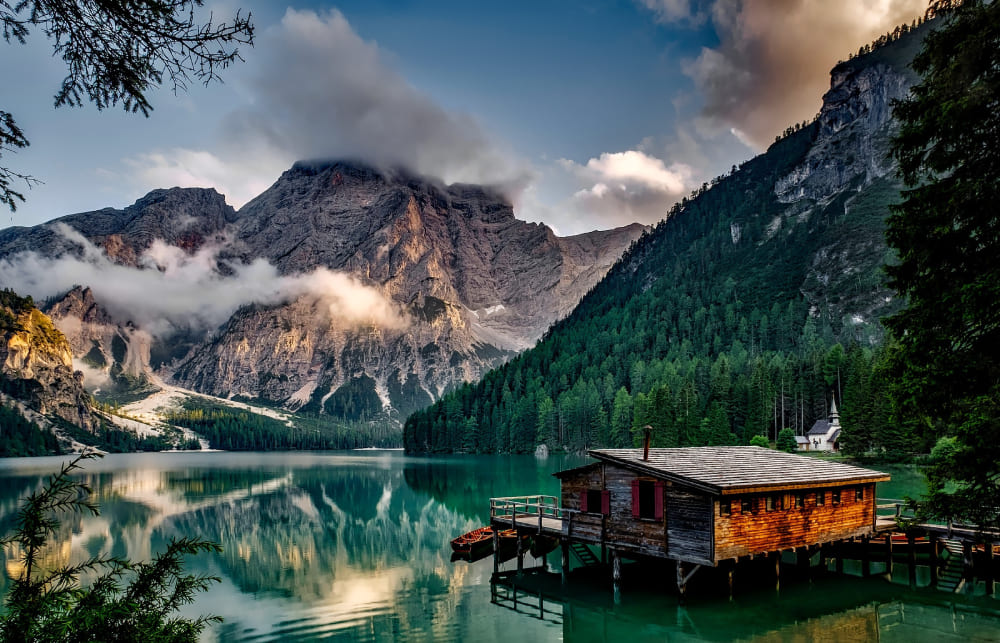

The Legacy of Kodachrome

Kodachrome’s influence continues to shape photography today, even though the film itself is gone. Its distinctive color palette—warm, balanced, and slightly nostalgic—has inspired countless digital presets and film simulations. Photographers still chase the “Kodachrome look,” trying to recreate its depth and realism through modern tools.

More importantly, Kodachrome represents a different mindset. Shooting it required discipline. With limited exposures and no instant feedback, photographers had to slow down, compose carefully, and trust their instincts. Each frame mattered. That approach stands in contrast to today’s high-volume digital shooting, where images are often taken in rapid bursts and reviewed instantly.

For many, Kodachrome is more than a film—it is a symbol of craftsmanship and intentional photography. Its images documented history, from everyday family moments to world-changing events, with a clarity and permanence that still resonates. While the chemistry is gone, the lessons remain: slow down, pay attention to light, and create images that are meant to last.

Kodachrome: A Color That Defined an Era

Kodachrome wasn’t just film—it was a way of seeing the world. For decades, it captured life in rich, glowing color that felt more real than reality itself. From family slide shows to iconic magazine spreads, Kodachrome shaped how we remember the 20th century. Its look was unmistakable, its process legendary, and its disappearance marked the end of something photography has never fully replaced.

Film is the original image-making medium

Film is the original image-making medium in photography. Before digital cameras stored pictures on memory cards, cameras used light-sensitive film to capture an image. When you press the shutter, light passes through the lens and strikes the film, creating a hidden image that is later revealed through developing.

There are two main types of film: black-and-white and color. Black-and-white film records a scene in tones of black, white, and gray. It is often valued for its timeless feel, strong contrast, and emphasis on shape, light, and texture. Color film records the world in color and can produce a wide range of looks, from soft and muted to bright and vivid, depending on the film stock.

Film also comes in different sizes, with 35mm being the most common for everyday photography. Medium format film is larger and can produce greater detail. Many photographers still love film because it slows the process down. Each frame matters. You think more carefully about composition, exposure, and timing.

Film photography has a physical, hands-on quality that many people find rewarding. It connects today’s photographers to the roots of the craft while producing images with a distinctive character that digital often imitates but never fully replaces.

Depth of field

Depth of field is the zone in a photo that appears acceptably sharp from front

An Ultimate Guide to Depth of Field in Photography

to back. It controls how much of the scene is in focus and is one of the main tools photographers use to guide attention. A shallow depth of field means only a small part of the image is sharp, while the background and foreground blur softly. This is common in portraits, flower photos, and wildlife shots where you want the subject to stand out. A deep depth of field keeps much more of the scene sharp, which is useful for landscapes, architecture, and travel images.

Learn About Depth of Field in Photography: The Ultimate Guide - 2026 - MasterClass

Three main things affect depth of field: aperture, distance, and focal length. A wide aperture such as f/2.8 creates less depth of field. A smaller aperture such as f/11 creates more. The closer you are to your subject, the shallower the depth of field becomes. Longer lenses also tend to blur backgrounds more.

What Is Depth of Field: Exploring Visual Storytelling Through Focal Length and Aperture | Envato ...

In simple terms, depth of field is not just about focus. It is about deciding what matters most in the frame and letting the viewer see it first.