In the late 1980s and early 1990s, digital images on personal computers were more promise than practicality. The IBM PC 286 was a capable machine for its time—reliable, business-oriented, and widespread—but it simply wasn’t built for serious graphics. Memory addressing was limited, storage was slow, and graphics modes were primitive by modern standards.

Early image work on a 286 meant crude tools: DOS paint programs, monochrome or 16-color VGA, and files small enough to fit on floppy disks. Scanning a photo could take several minutes, and every operation felt risky. Crashes were common, and undo functions were minimal or nonexistent. You learned quickly that mistakes were expensive.
The real turning point came with the 386 processor. It introduced protected mode and expanded memory addressing, which made more advanced software possible. When Photoshop 1.0 appeared in 1990, it required a 386—not because Adobe wanted to exclude users, but because the math and memory demands simply couldn’t run on a 286. Even then, performance was slow unless you had what felt like extravagant hardware: multiple megabytes of RAM and a fast hard drive.
By modern standards, those systems were painfully limited. Yet those limits shaped habits. Editing was deliberate. Cropping, contrast, and retouching were planned before execution. There was no casual experimentation, no infinite undo stack, no layers to bail you out later.
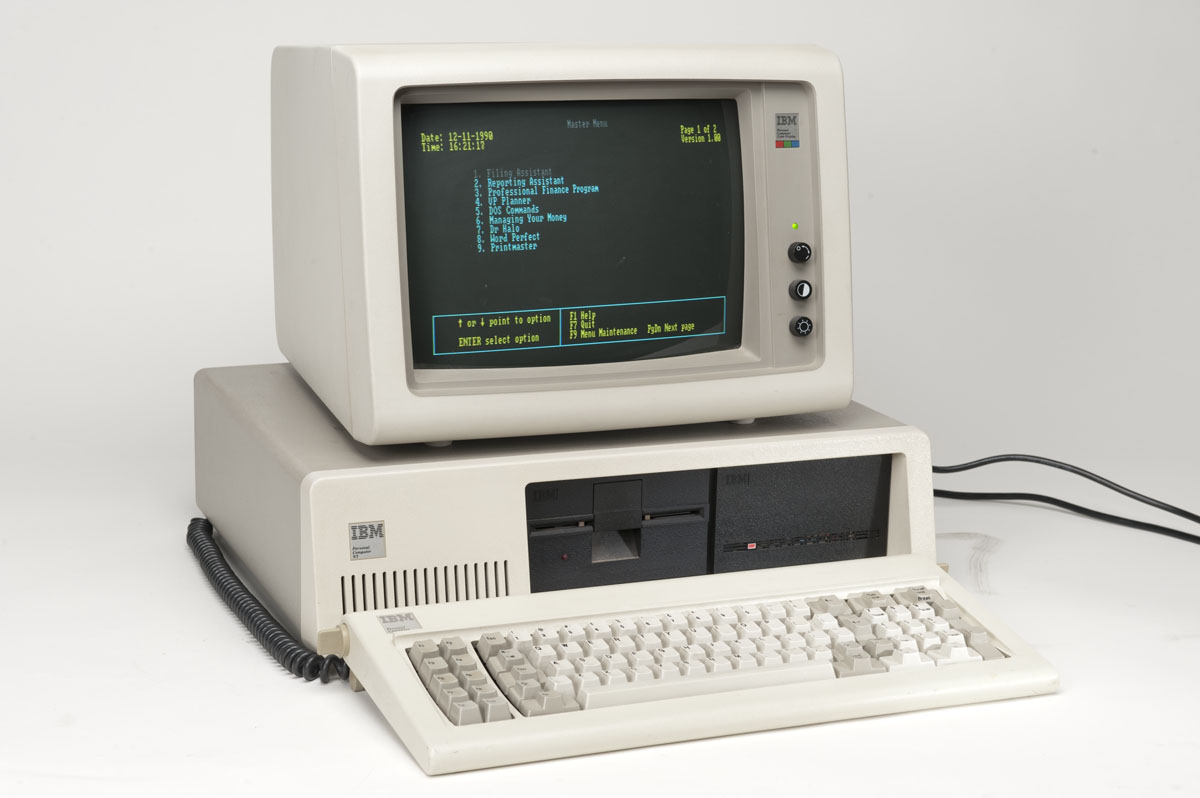
That early digital era bridged film and pixels. It was awkward, slow, and fragile—but it laid the groundwork for everything that followed. Today’s effortless image editing rests on lessons learned when every click mattered and every saved file felt like a small victory.