
Kodachrome was once the king of color photography. Introduced by Eastman Kodak Company in 1935, it became famous for rich colors, sharp detail, and long-lasting images. National Geographic photographers and generations of families used it for vacations, magazines, and slideshows.
Its downfall came from changing technology and economics. Kodachrome used a very complex developing process called K-14 that required specialized labs and chemicals. As digital photography exploded in the late 1990s and 2000s, fewer people shot film, and Kodak could no longer justify maintaining the expensive processing system.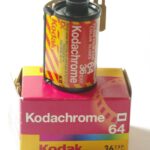
Photographers also shifted toward easier slide films like Fujifilm Velvia and eventually to digital cameras. Kodak stopped making Kodachrome in 2009. The last roll was processed in 2010 at Dwayne’s Photo in Kansas, ending a 75-year era. Many old Kodachrome slides still look remarkably good today because the film was unusually stable and fade-resistant.